
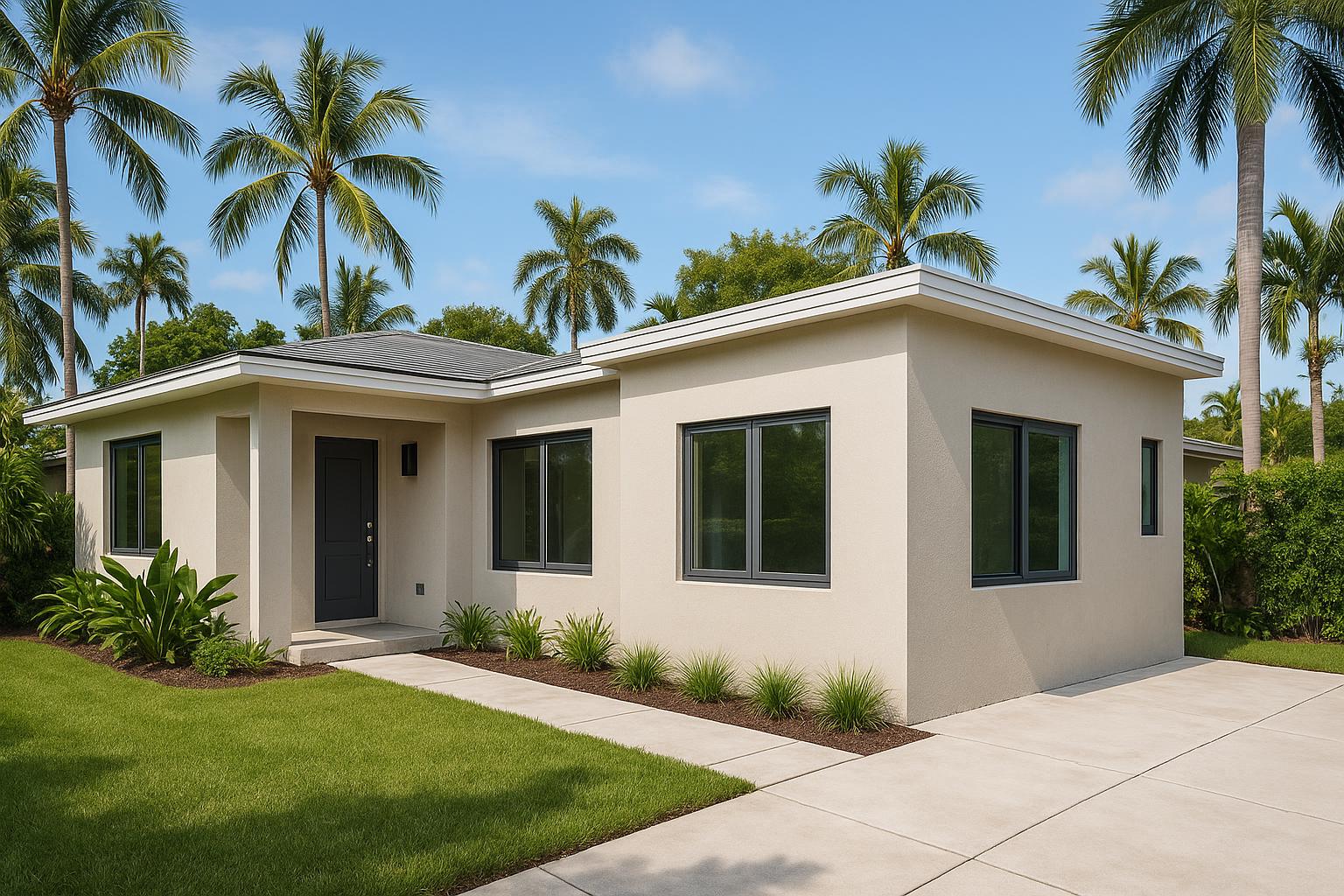
Why Miami Homeowners Are Adding Rooms Instead of Moving
Real estate prices in Miami have climbed steadily over the past several years, and many homeowners are finding that expanding their current home makes more financial sense than buying a new one. Whether you need a home office, an extra bedroom for a growing family, or a dedicated guest suite for visiting relatives, a well-planned room addition can increase your living space and your property value at the same time.
But room additions are among the most complex remodeling projects you can take on. Unlike a kitchen refresh or a bathroom renovation, you are literally changing the footprint of your home. That means permits, structural engineering, foundation work, roofing tie-ins, and coordination across multiple trades. Without a clear plan, things can go sideways fast.
Here is a step-by-step guide to planning a room addition in Miami so you can move forward with confidence and avoid the most common pitfalls.
Step 1: Define the Purpose and Scope
Before you call a contractor or sketch anything on paper, get clear on what you actually need. Ask yourself these questions:
- What will this room be used for? A bedroom, office, family room, or in-law suite?
- Does it need plumbing, such as a bathroom or kitchenette?
- How much square footage do you realistically need?
- Do you want a single-story addition or are you considering building up?
The answers to these questions will shape every decision that follows, from the budget to the timeline to the permits required. Adding plumbing, for example, significantly increases both cost and complexity. Building a second story requires a structural assessment of your existing foundation and framing.
Step 2: Understand Miami-Dade Permitting Requirements
Miami-Dade County has some of the strictest building codes in the country, largely because of hurricane preparedness standards. Any room addition will require a building permit, and depending on the scope, you may also need electrical, plumbing, and mechanical permits.
Here is what you should know:
- Zoning compliance: Your addition must comply with local zoning regulations, including setback requirements, lot coverage limits, and height restrictions. These vary by neighborhood.
- Wind load requirements: All new construction in Miami-Dade must meet the High-Velocity Hurricane Zone (HVHZ) standards outlined in the Florida Building Code. This affects everything from window selection to roof attachment methods.
- Notice of Commencement: Before construction begins, a Notice of Commencement must be filed with the county. This is a legal requirement that protects your property.
- Inspections: Expect multiple inspections throughout the project, including foundation, framing, electrical, plumbing, and a final inspection before the space can be occupied.
Working with a licensed contractor who has experience pulling permits in Miami-Dade County is essential. Permit delays are one of the top reasons room addition projects stall, and an experienced team knows how to prepare complete applications that get approved the first time.
Step 3: Set a Realistic Budget
Room additions in South Florida typically cost more than the national average due to hurricane code requirements and local material costs. A basic room addition without plumbing might start around $200 to $350 per square foot, while additions that include a bathroom or more complex structural work can run higher.
Your budget should account for:
- Architectural or engineering drawings
- Permit fees
- Foundation and structural work
- Roofing and exterior finishes to match your existing home
- Electrical, HVAC, and plumbing (if applicable)
- Interior finishes including flooring, drywall, paint, and trim
- A contingency of 10 to 15 percent for unexpected issues
That contingency is not optional. Once walls are opened or ground is broken, surprises happen. Older homes in neighborhoods like Aventura, North Miami Beach, or Hollywood may have outdated wiring, plumbing that does not meet current code, or soil conditions that require additional foundation work. A contingency fund keeps these discoveries from derailing your project.
Step 4: Choose the Right Contractor
This is arguably the most important decision you will make. A room addition requires coordination between multiple disciplines, and the general contractor is the person responsible for keeping everything on track.
When evaluating contractors, look for:
- Proper licensing: In Florida, general contractors must hold a state-issued license. Verify it through the Florida Department of Business and Professional Regulation.
- Local experience: A contractor who regularly works in Miami-Dade understands the local permitting process, code requirements, and inspection expectations.
- Detailed written estimates: Avoid contractors who give you a number over the phone. A reputable company will visit your home, discuss the scope in detail, and provide a written proposal that breaks down costs.
- References and past work: Ask to see completed projects similar to yours. Talk to past clients about communication, timeline accuracy, and overall satisfaction.
- Insurance: Confirm that the contractor carries both general liability insurance and workers' compensation coverage.
Step 5: Plan for the Construction Timeline
A typical room addition in Miami takes anywhere from eight to sixteen weeks depending on the size and complexity. Here is a rough breakdown of what to expect:
- Design and permitting: Two to six weeks, depending on the complexity of the plans and the county's review timeline.
- Site preparation and foundation: One to two weeks.
- Framing and roofing: Two to three weeks.
- Mechanical rough-ins: One to two weeks for electrical, plumbing, and HVAC.
- Insulation, drywall, and interior finishes: Two to four weeks.
- Final inspections and punch list: One week.
Weather can impact the schedule, especially during Miami's rainy season from May through October. A good contractor will build weather delays into the timeline and communicate proactively when adjustments are needed.
Step 6: Think About How the Addition Connects to Your Existing Home
One of the biggest mistakes homeowners make is treating the addition as a separate project from the rest of the house. The best room additions feel like they were always part of the original design.
Pay attention to:
- Roofline integration: The new roof should tie into the existing roof seamlessly, both structurally and visually.
- Exterior materials: Match siding, stucco, paint colors, and trim so the addition blends with the rest of the home.
- Interior flow: The transition from existing space to new space should feel natural. Hallways, doorways, and ceiling heights should be consistent.
- HVAC capacity: Your existing air conditioning system may not be sized to handle the additional square footage. A load calculation will determine whether you need to upgrade your system or add a supplemental unit.
Ready to Start Planning Your Room Addition?
A room addition is a significant investment, but when it is done right, it transforms how you live in your home. The key is thorough planning, realistic budgeting, and partnering with a contractor who knows the local landscape inside and out.
At Ridge Foundation Contractors, we have helped homeowners across Miami, Sunny Isles Beach, Hallandale Beach, and surrounding communities add beautiful, code-compliant living space to their homes. From the initial consultation through the final inspection, we handle every detail so you can focus on enjoying your new room.
If you are considering a room addition, reach out to us for a free consultation. We will walk through your goals, assess your property, and give you an honest estimate so you know exactly what to expect.